
How to Eat: A Simple Guide to Healthy, Mindful, and Balanced Eating
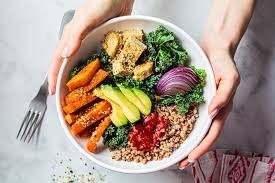
Eating is something we do every day, often without thinking much about it. But how we eat is just as important as what we eat. Good eating habits don’t mean strict diets or giving up your favorite foods. Instead, they focus on balance, awareness, and consistency. Learning how to eat properly can improve your energy levels, digestion, mental clarity, and overall health.
In this guide, we’ll break down how to eat in a simple, practical way—covering mindset, portion control, meal timing, food choices, and mindful eating.
1. Understand the Purpose of Eating- how- to- eat
Eating is not just about satisfying hunger or cravings. The primary purpose of eating is to fuel your body. Food provides energy, supports growth and repair, strengthens immunity, and keeps your brain functioning properly.
When you start viewing food as fuel rather than just pleasure, your eating choices naturally improve. This doesn’t mean you can’t enjoy food—enjoyment is important—but nourishment should come first.
2. Eat When You’re Hungry, Not When You’re Bored
One of the most common unhealthy habits is eating out of boredom, stress, or habit rather than hunger. Emotional eating often leads to overeating and poor food choices.
Before eating, ask yourself:
Am I physically hungry?
Or am I bored, stressed, or tired?
If it’s not hunger, try alternatives like drinking water, going for a short walk, or doing something engaging. Learning to recognize true hunger cues is a key step in healthy eating.
3. how to eat Focus on Balanced Meals
A balanced meal includes a mix of macronutrients and micronutrients. Ideally, your plate should include:
Carbohydrates: Provide energy (rice, roti, oats, fruits, vegetables)
Proteins: Help with muscle repair and satiety (dal, eggs, paneer, chicken, fish, tofu)
Healthy fats: Support brain and hormone health (nuts, seeds, ghee, olive oil)
Eating is not just about satisfying hunger or cravings. The primary purpose of eating is to fuel your body. Food provides energy, supports growth and repair, strengthens immunity, and keeps your brain functioning properly.
When you start viewing food as fuel rather than just pleasure, your eating choices naturally improve. This doesn’t mean you can’t enjoy food—enjoyment is important—but nourishment should come first.
2. Eat When You’re Hungry, Not When You’re Bored
One of the most common unhealthy habits is eating out of boredom, stress, or habit rather than hunger. Emotional eating often leads to overeating and poor food choices.
Before eating, ask yourself:
Am I physically hungry?
Or am I bored, stressed, or tired?
If it’s not hunger, try alternatives like drinking water, going for a short walk, or doing something engaging. Learning to recognize true hunger cues is a key step in healthy eating.
How to Eat Pear (Nashpati): Health Benefits & Best Ways
Pear, jise hum Nashpati ke naam se jaante hain, ek tasty aur super-healthy fruit hai. Ye fiber, vitamins aur antioxidants se bharpur hota hai. Agar aap apni diet ko healthy banana chahte hain, to pear ko rozana apni routine mein zaroor shamil karein.
Is blog mein hum jaanenge:
-
Pear kaise khaye
-
Best time to eat pear
-
Health benefits
-
Tasty ways to include pear in your diet
🍐 Pear Khane Ka Sahi Tarika
1. Raw Pear
Sabse simple tarika hai raw pear khana.
-
Nashpati ko achhe se wash karein
-
Chhote slices mein kaat lein
-
Chilka na utarein (isme fiber hota hai)
2. Pear Salad
Healthy aur refreshing option:
-
Pear slices
-
Cucumber
-
Lettuce
-
Lemon juice + black pepper
Mix karke tasty salad ban jaata hai.
3. Pear Juice / Smoothie
Agar aapko juice pasand hai:
-
1 pear
-
1 banana
-
1 glass milk / almond milk
Blend karke healthy smoothie bana sakte hain.
4. Pear with Honey
Digestive power badhane ke liye:
-
Pear slices par thoda sa honey daalein
-
Light breakfast ya evening snack ke liye perfect
How to Eat
4. Pear with Honey
Digestive power badhane ke liye:
-
Pear slices par thoda sa honey daalein
-
Light breakfast ya evening snack ke liye perfect
-
Eating a balanced diet
Eating a healthy, balanced diet is an important part of maintaining good health, and can help you feel your best.
This means eating a wide variety of foods in the right proportions, and consuming the right amount of food and drink to achieve and maintain a healthy body weight.
This page covers healthy eating advice for the general population.
People with special dietary needs or a medical condition should ask their doctor or a registered dietitian for advice.
Food groups in your diet
The Eatwell Guide shows that to have a healthy, balanced diet, people should try to:
- eat at least 5 portions of a variety of fruit and vegetables every day (see 5 A Day)
- base meals on higher fibre starchy foods like potatoes, bread, rice or pasta
- have some dairy or dairy alternatives (such as soya drinks)
- eat some beans, pulses, fish, eggs, meat and other protein
- choose unsaturated oils and spreads, and eat them in small amounts
- drink plenty of fluids (at least 6 to 8 glasses a day)
The Eatwell Guide does not apply to children under the age of 2 because they have different nutritional needs.
After the age of 2 years, children should move to eating the same foods as the rest of the family in the proportions shown in the Eatwell Guide.
Fruit and vegetables: are you getting your 5 A Day?
Fruit and vegetables are a good source of vitamins and minerals and fibre, and should make up just over a third of the food you eat each day.
It’s recommended that you eat at least 5 portions of a variety of fruit and vegetables every day. They can be fresh, frozen, canned, dried or juiced.
There’s evidence that people who eat at least 5 portions of fruit and vegetables a day have a lower risk of heart disease, stroke and some cancers.
Eating 5 portions is not as hard as it sounds.
A portion is:
- 80g of fresh, canned or frozen fruit and vegetables
- 30g of dried fruit – which should be kept to mealtimes
- 150ml glass of fruit juice or smoothie – but do not have more than 1 portion a day as these drinks are sugary and can damage teeth
Just 1 apple, banana, pear or similar-sized fruit is 1 portion each.
A slice of pineapple or melon is also 1 portion, and 3 heaped tablespoons of vegetables is another portion.
Adding a tablespoon of dried fruit, such as raisins, to your morning cereal is an easy way to get 1 portion.
You could also swap your mid-morning biscuit for a banana, and add a side salad to your lunch.
In the evening, have a portion of vegetables with dinner and fresh fruit with plain, lower fat yoghurt for dessert to reach your 5 A Day.
Starchy foods in your diet
Starchy foods should make up just over a third of everything you eat. This means your meals should be based on these foods.
Choose wholegrain or wholemeal varieties of starchy foods, such as brown rice, wholewheat pasta, and brown, wholemeal or higher fibre white bread.
They contain more fibre, and usually more vitamins and minerals, than white varieties.
Potatoes with the skins on are a great source of fibre and vitamins. For example, when having boiled potatoes or a jacket potato, eat the skin too.
Milk and dairy foods(how to eat)
Milk and dairy foods, such as cheese and yoghurt, are good sources of protein. They also contain calcium, which helps keep your bones healthy.
es.
Eggs and fish are also good sources of protein, and contain many vitamins and minerals. Oily fish is particularly rich in omega-3 fatty acids.
Aim to eat at least 2 portions of fish a week, including 1 portion of oily fish.
You can choose from fresh, frozen or canned, but remember that canned and smoked fish can often be high in salt.
Pulses, including beans, peas and lentils, are naturally very low in fat and high in fibre, protein, vitamins and minerals.
Nuts are high in fibre, and unsalted nuts make a good snack. But they do still contain high levels of fat, so eat them in moderation